
Stress and anxiety have become common companions in today’s fast-paced world. Work pressures, personal challenges, and global uncertainty can create a constant state of tension, leaving individuals feeling overwhelmed, restless, or emotionally drained.
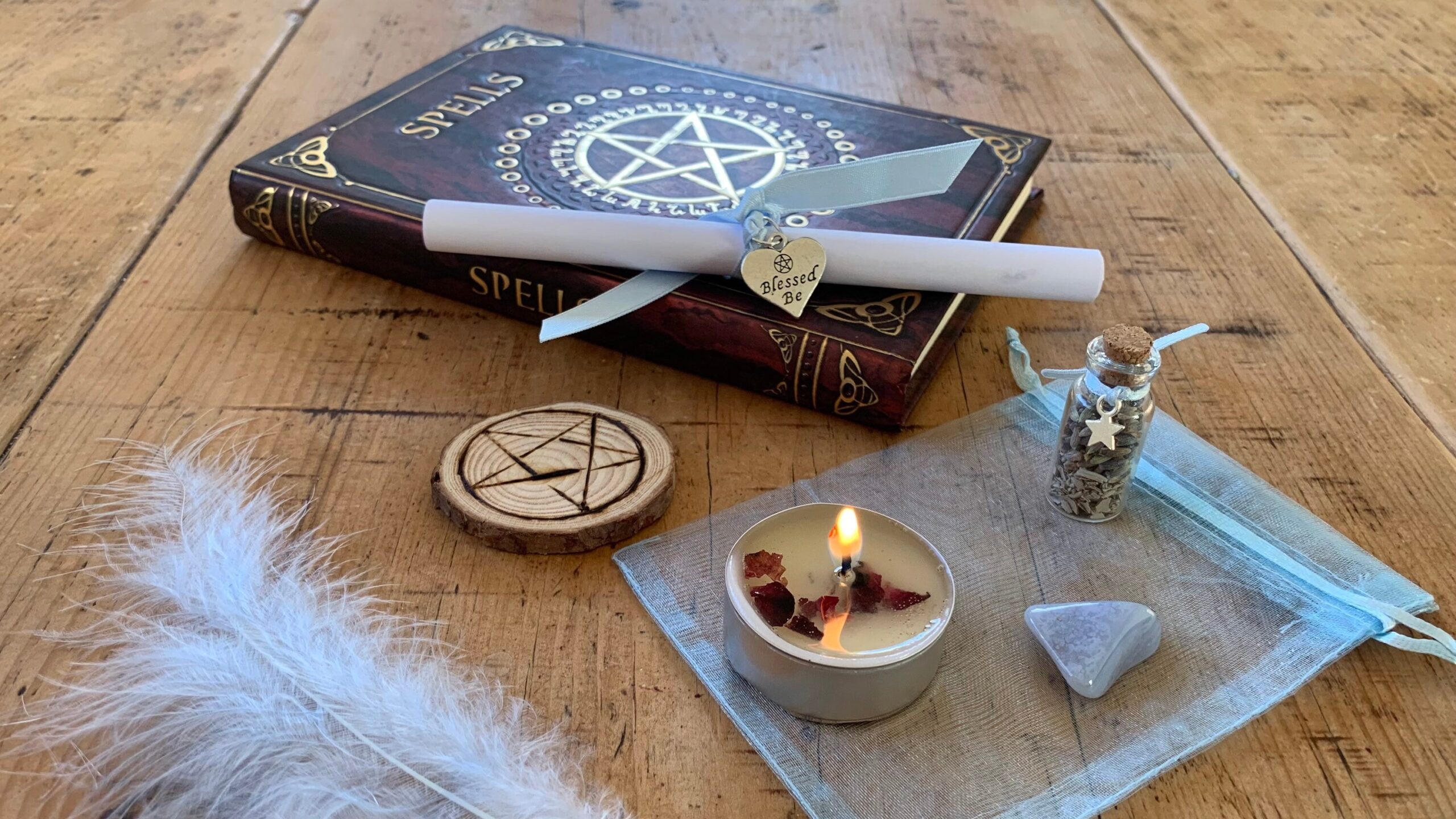
Across cultures, practices often referred to as “stress relief spells” or rituals emerged as tools to restore calm, clarity, and balance. These practices were never about magically erasing problems; rather, they were designed to align mind, body, and emotions, creating conditions for inner peace and resilience.
What Stress and Anxiety Relief Spells Really Are
Despite their mystical name, stress relief spells are intentional alignment and mindfulness practices. They work by:
- Reducing mental clutter and racing thoughts
- Encouraging emotional release and processing
- Supporting relaxation and physiological calm
- Reconnecting the individual with inner stability and clarity
- Enhancing focus, resilience, and mental well-being
Historically, such practices included meditation, visualization, affirmations, aromatherapy, or ritualized mindfulness exercises. Their purpose was to create an environment for inner calm, not to perform supernatural interventions.
The Science Behind Stress Relief
Modern neuroscience and psychology confirm what ancient traditions intuitively understood: stress impacts both mind and body. Chronic stress can:
- Elevate cortisol levels and impair immune function
- Cause sleep disturbances and fatigue
- Trigger anxiety and panic responses
- Reduce cognitive focus and emotional regulation
Stress and anxiety relief practices work by modulating the nervous system, reducing physiological arousal, and promoting a sense of safety and calm.
Why Stress and Anxiety Accumulate
Stress and anxiety are often the result of both external and internal factors:
- Overcommitment and workload pressure
- Unresolved emotional trauma or past experiences
- Negative thought patterns and self-criticism
- Environmental pressures or chaotic surroundings
Without intentional alignment, these factors can become self-reinforcing, creating a cycle of tension and worry.
The Role of Intention in Stress Relief
Intention is the foundation of any relief-focused practice. Setting a clear, focused intention signals the mind and body to release tension and embrace calm.
Effective intentions include:
- Cultivating peace, patience, and emotional clarity
- Letting go of fear, worry, or negative thinking
- Strengthening resilience and self-awareness
- Focusing on present-moment awareness and grounding
Intentions rooted in desperation or fear are less effective, as they introduce resistance rather than calm.
Emotional Healing and Stress Reduction
Emotions are at the core of stress. Unprocessed feelings such as anger, grief, or anxiety create internal tension. Relief practices focus on:
- Acknowledging and releasing negative emotions
- Developing self-compassion and forgiveness
- Encouraging reflection and emotional understanding
- Promoting calm and stability through mindful attention
Addressing emotional energy supports both immediate relief and long-term resilience.
Physical and Environmental Support
Stress manifests physically through muscle tension, shallow breathing, and fatigue. Practices to relieve stress often incorporate:
- Deep, conscious breathing
- Gentle movement or stretching
- Creating calm environments free from clutter or overstimulation
- Mindful awareness of bodily sensations
Physical alignment reinforces emotional and mental relief, creating a holistic sense of calm.
Mindset and Cognitive Alignment
A conscious mindset amplifies the effects of stress relief practices. Key elements include:
- Awareness of thoughts without judgment
- Reframing challenges as manageable and learning opportunities
- Recognizing patterns that exacerbate tension
- Emphasizing patience, resilience, and clarity
This alignment strengthens the connection between intention and effect, supporting sustained inner peace.
Visualization and Symbolic Practices
Visualization and symbolic rituals are powerful psychological tools:
- Imagining tension leaving the body
- Visualizing calm, light, and protective energy
- Symbolically releasing worry or fear
- Anchoring peaceful states with ritual cues
Even without mystical belief, these practices function as mental rehearsal for relaxation, improving both perception and physiological response to stress.
Stress Relief and Spiritual Alignment
For many, inner peace is also spiritual. Relief practices can:
- Enhance awareness of personal values and purpose
- Promote acceptance and presence
- Encourage gratitude and perspective
By clearing mental and emotional blocks, these practices foster not just calm, but a sense of connectedness and meaning.
Signs Stress and Anxiety Relief Is Working
Indicators of improvement include:
- Reduced racing thoughts and mental clutter
- Greater emotional stability and calm
- Deeper, more restorative sleep
- Improved focus and cognitive clarity
- Increased resilience to challenging situations
These signs indicate alignment of mind, body, and energy, supporting sustainable inner peace.
Ethical and Realistic Expectations
Stress relief practices are supportive tools, not replacements for professional mental health care when needed. They are most effective when combined with:
- Therapy or counseling if necessary
- Healthy lifestyle habits (sleep, nutrition, exercise)
- Mindfulness and meditation routines
- Supportive social networks
Expecting instant or permanent relief is unrealistic; stress management is a gradual, ongoing practice.
The True Purpose of Stress Relief Practices
Stress and anxiety relief spells are not magic—they are intentional, supportive practices that create optimal conditions for calm, resilience, and clarity. By reducing mental, emotional, and energetic tension, individuals are better equipped to navigate life with confidence and peace.
Conclusion: Cultivating Inner Peace
Relieving stress and anxiety requires a holistic approach—aligning mind, body, and emotions. Practices designed for relief enhance clarity, balance, and resilience, allowing individuals to restore inner peace and stability. When used consistently, these techniques foster long-term calm, healthier decision-making, and a stronger sense of well-being.
Leave a Reply
You must be logged in to post a comment.